
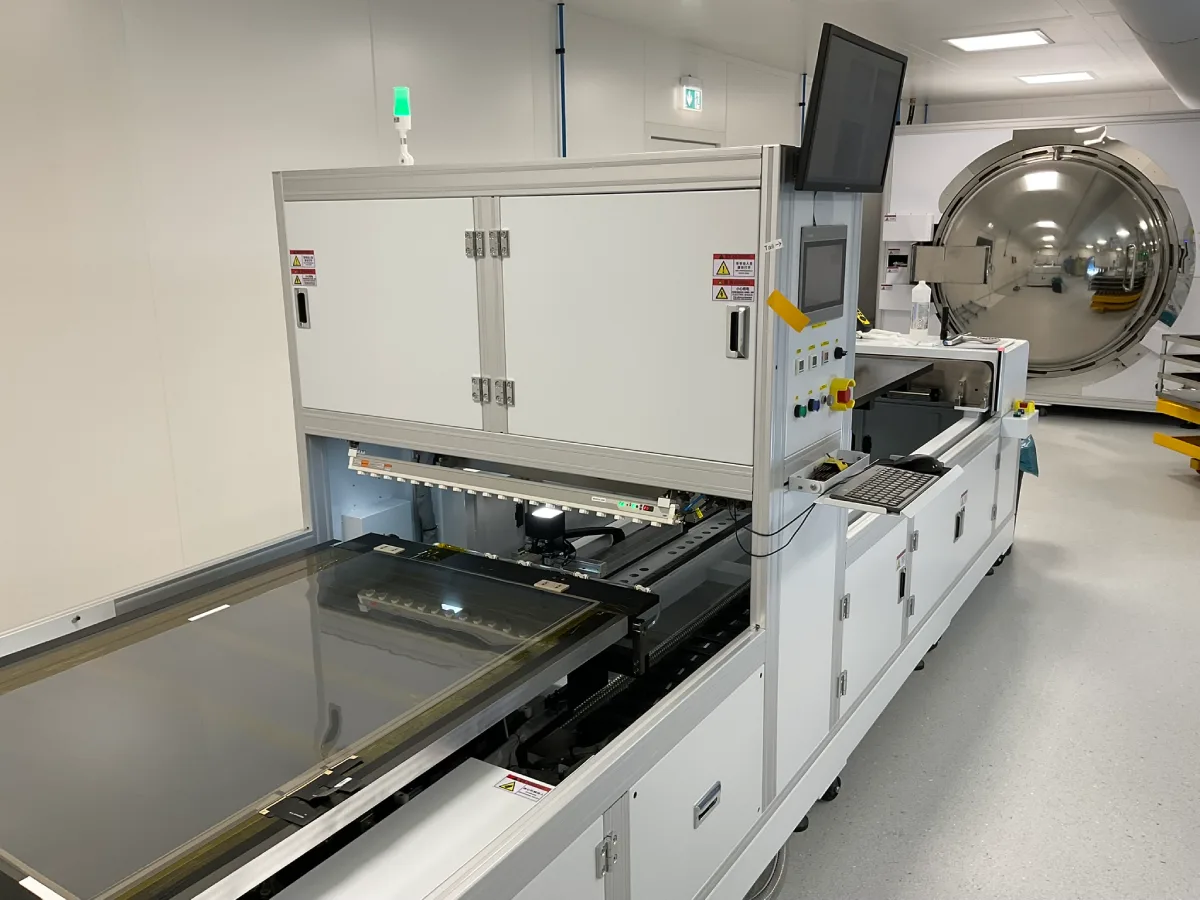
Integrated assemblies
Bring display, PCAP touch and cover glass together
A display stack is a system of interfaces. We help define the assembly, identify ownership gaps and review how optical, touch and mechanical decisions affect one another.
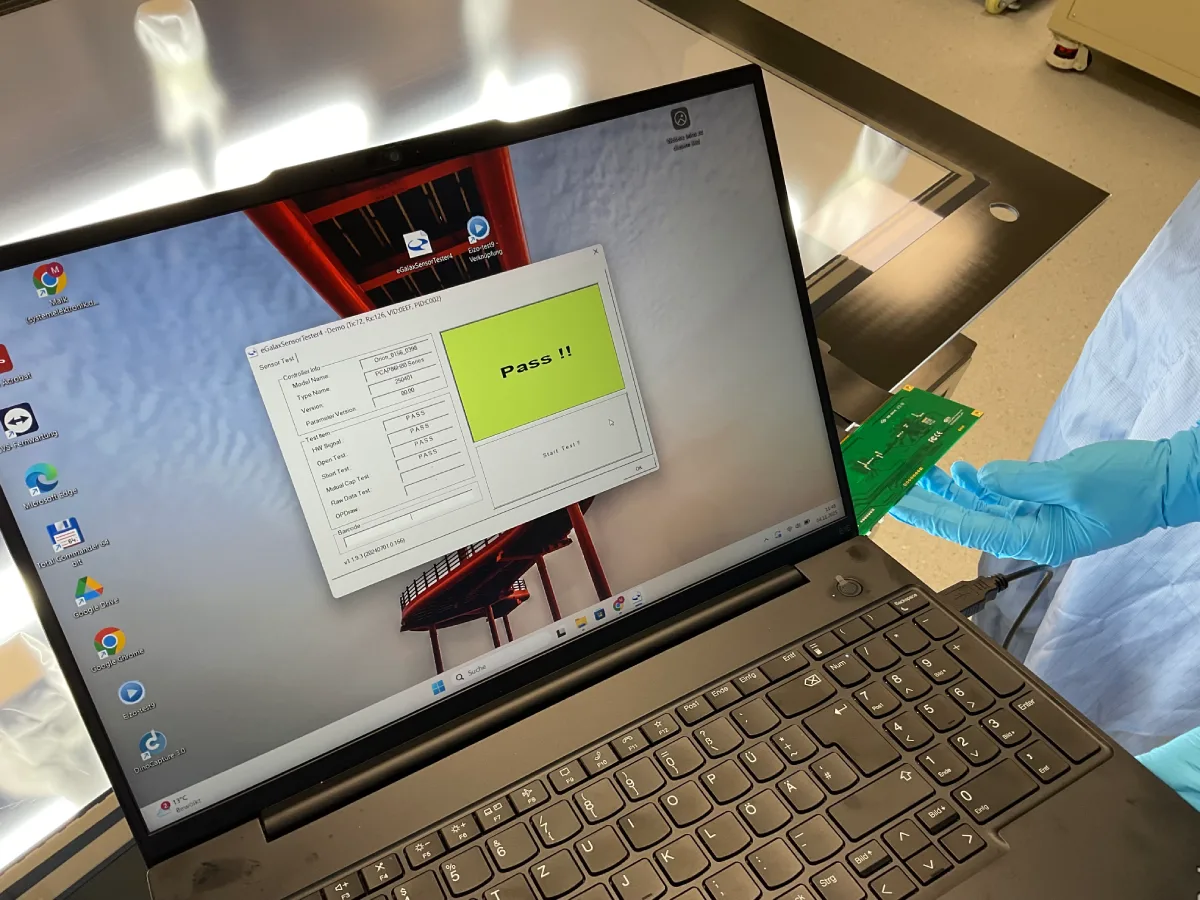
Fewer gaps between component decisions
We review the display, PCAP sensor, cover lens, bonding interfaces and mechanical constraints as one assembly. The exact responsibility for component selection, sourcing, controller tuning, testing and warranty is defined for each project.
- Display and PCAP compatibility
- Cover glass, printing and coatings
- Bonding and edge geometry
- Controller and touch requirements
- Mechanical interfaces and mounting
STACK ELEMENTS / INTERACTIVE
See what each interface must resolve.
FOCUS / 01
Cover glass / lens
Thickness, edge work, printing, coatings, impact strategy and cosmetic zone.
Questions resolved during stack review
What is fixed?
Identify approved components, mechanical boundaries and specifications that cannot change.
What remains open?
Surface choices, touch architecture, cover-lens details and bonding route may still influence one another.
What must be proven?
Define sample objectives and acceptance criteria before production expectations are set.
Designed for engineering dialogue
The first conversation can begin before the final bill of materials exists. Early reviews are often most useful when there is still room to change interfaces rather than after every component has been frozen.
Frequently asked questions
What is a display stack?
A display stack is the complete assembly of display module, touch sensor, cover lens, bonding layer and mechanical interfaces working together as one system, rather than separately sourced components.
Who decides whether components are sourced separately?
Component ownership is agreed per project. The responsibility for selection, sourcing, controller tuning, testing and warranty is defined for each part of the stack before work begins.
Can you start from an existing bill of materials?
Yes. Early reviews are often most useful when some components are already fixed and others remain open, so the review can identify which interfaces still allow change.
PREPARE FOR REVIEW
Ready for a stack review?
Part numbers, drawings, target environment and known constraints are the most useful starting points.