
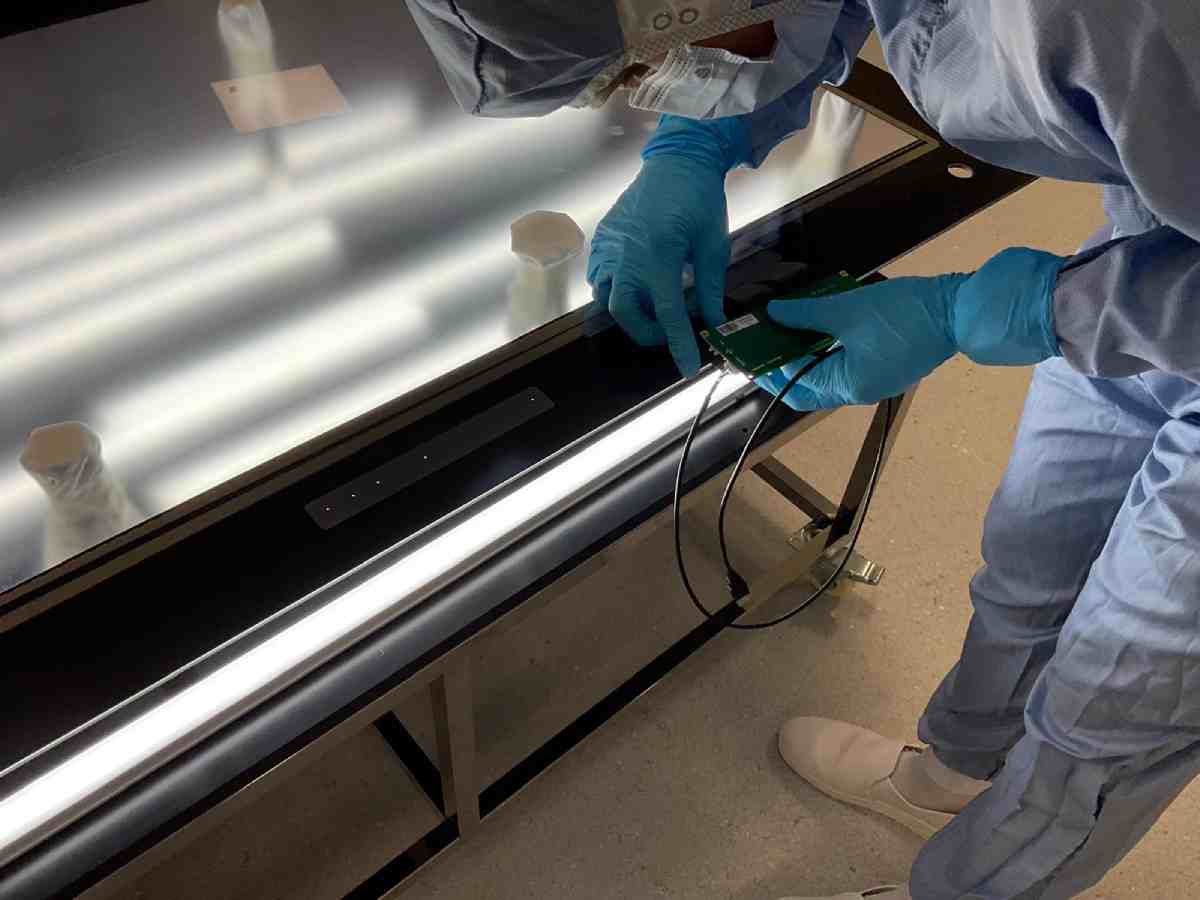
Outdoor interfaces
Review the full stack behind an outdoor display
Bright light, changing temperatures, moisture, touch interaction and public use need coordinated optical, electrical and mechanical decisions.
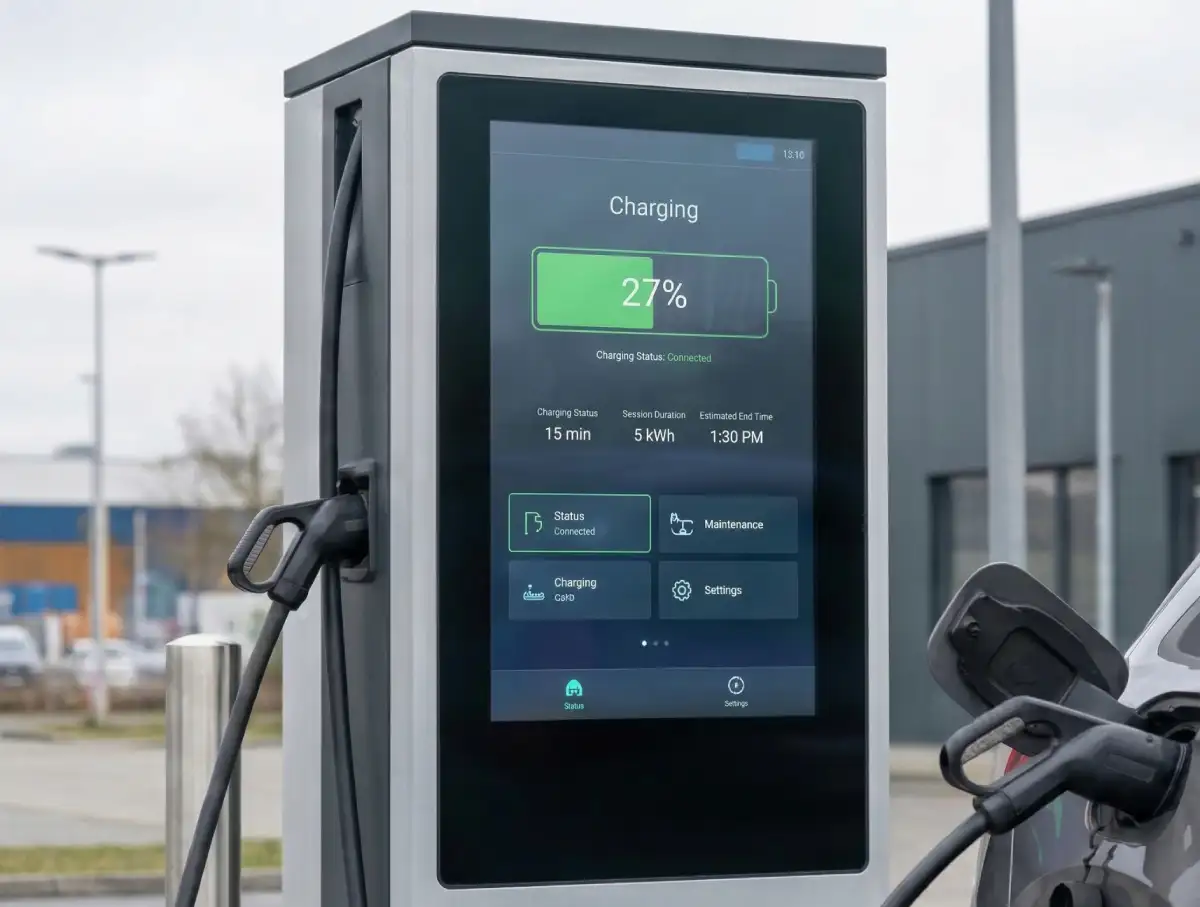
Readability is a system outcome
Optical bonding can reduce reflections at internal interfaces. Outdoor readability also depends on display luminance, cover-lens surfaces, anti-glare or anti-reflective treatments, viewing geometry and environmental conditions.
Review an outdoor stackWhat the environment puts on the stack
Light & reflection
Ambient brightness, surface finish, internal interfaces and viewing position.
Weather exposure
Temperature range, humidity, condensation risk, UV and enclosure strategy.
Public interaction
Wet touch, gloves, cleaning, impact strategy and service access.
Define the system boundary
Bonding is one part of an outdoor terminal. IP protection, drainage, ventilation, thermal design, impact rating and final system validation must be addressed by the responsible system owner.
Useful project inputs
- Installation orientation and expected sunlight
- Operating and storage temperature
- Touch behaviour in rain or with gloves
- Cover-lens and enclosure concept
- Cleaning, maintenance and service approach
Frequently asked questions
Does optical bonding make a display waterproof?
No. Bonding addresses the interface between display layers. IP protection, drainage, ventilation and enclosure design remain separate system-level responsibilities.
How is outdoor readability achieved?
Through a combination of display luminance, cover-lens surface treatment, internal reflections and viewing geometry. Bonding is one contributing factor, not the whole answer.
What temperature range can be reviewed?
Operating and storage temperature, together with humidity and condensation risk, are reviewed per project rather than against a fixed published range.
START A REVIEW
Where will this display operate?
Describe where the display will operate and which components are already fixed.